Informed engagement

Upcoming workshops & panels

Upcoming events

Action-oriented engagement

Watch our latest panel conversations

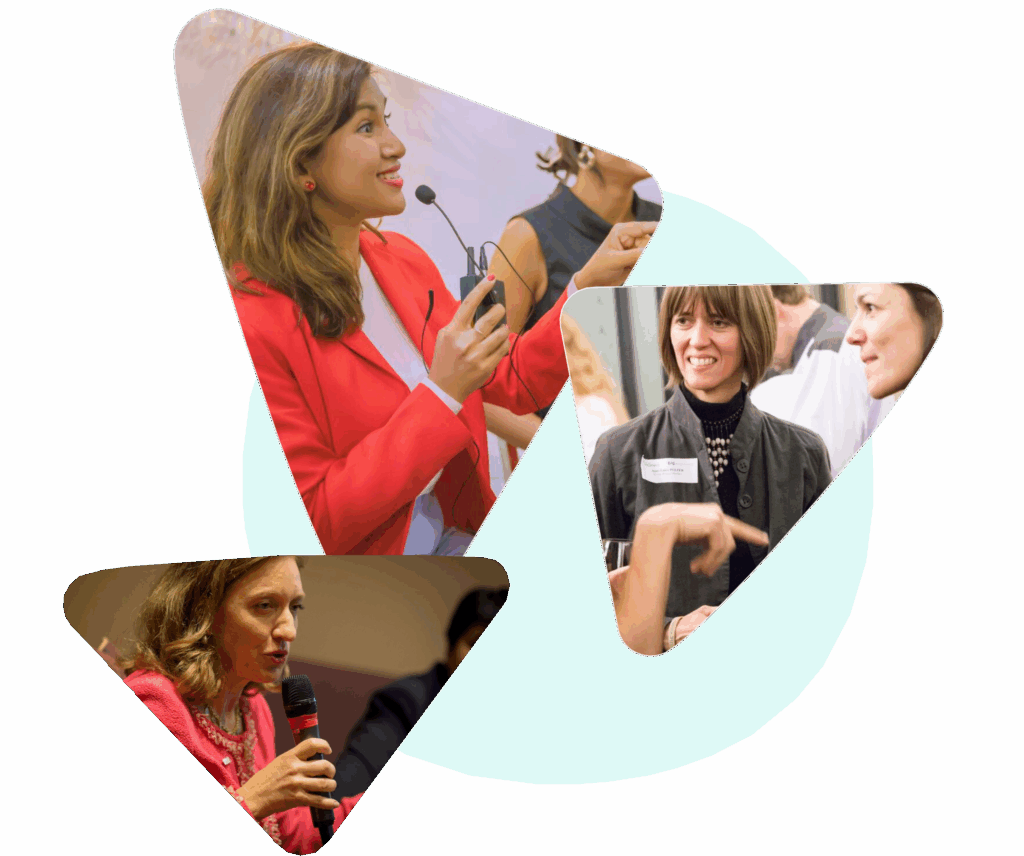
Through our public panels, forums, and storytelling events, we shine a light on the challenges women and girls face and explore solutions with experts, practitioners, and our community. We bring together grassroots leaders, field experts, donors, and Giving Women members to exchange insights, amplify voices from ground and make calls for action.

Context
At a time when funding is increasingly difficult to secure while needs continue to rise, many organisations are under intense pressure. Migrant populations are at record levels due to conflict and climate crises, girls’ completion of primary and secondary education is declining, and access to healthcare remains a struggle. The challenges are overwhelming.

What explored
On Thursday 19 February, we hosted an online conversation moderated by Zoya Siddiqui from Acumen, an organisation that recognised early on the potential of the social enterprise model. Together, we explored how this approach can help organisations build more resilient, financially sustainable models.

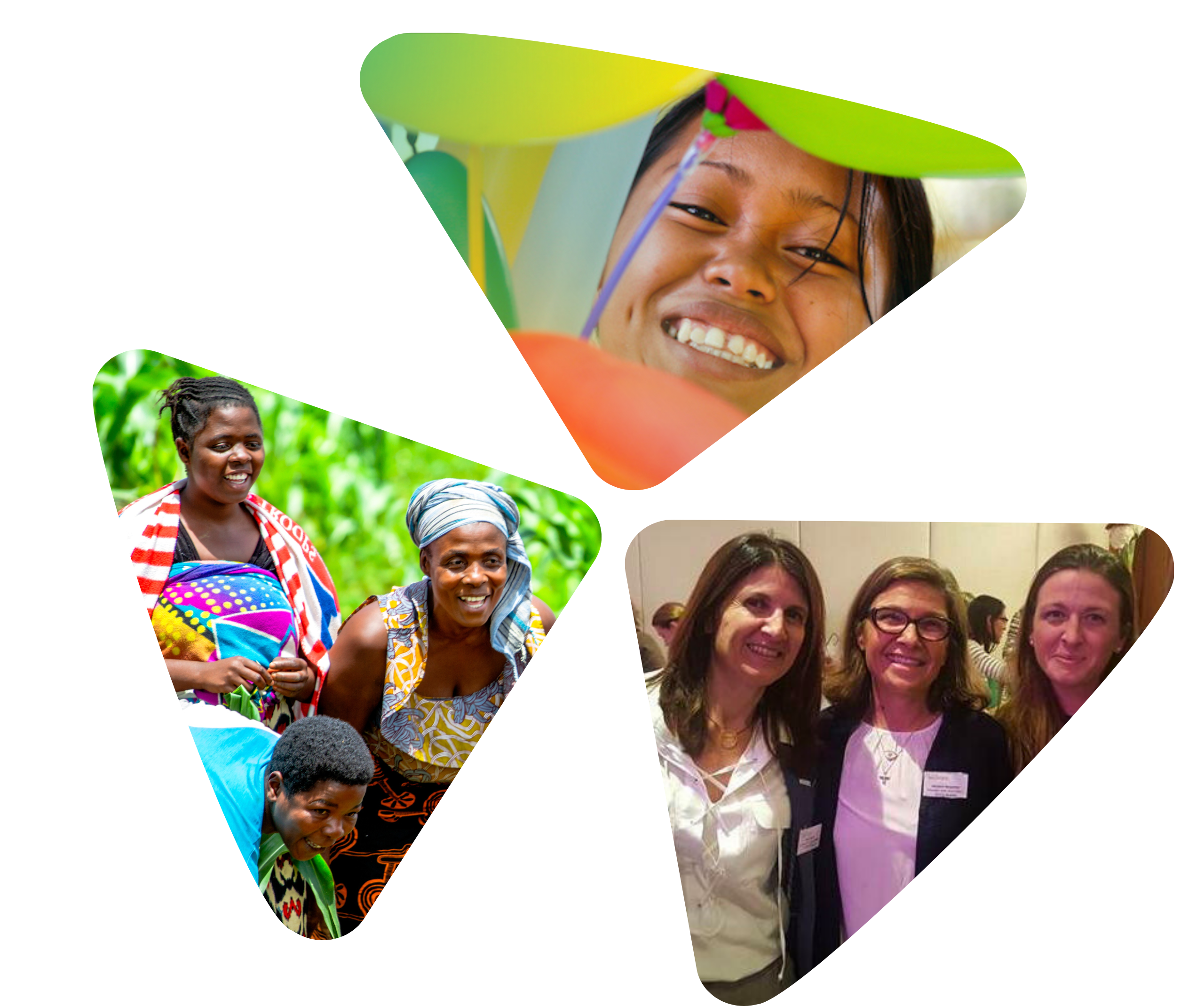
We highlighted and heard from three grassroots organisations applying this model in the field: Aavishkaar Centre (India), Project Maji (Africa), and Womengro Initiative (Uganda). We were also be joined by the Elea Foundation for Ethics in Globalisation, which supports social entrepreneurs through its philanthropic giving, to share the funder perspective on what helps these models thrive.

Moderator:
Zoya Siddiqui, Development and Partnerships Manager at Acumen Europe

Expert perspective:
Lisa Jean-Mairet, Executive Director,  Elea Foundation for Ethics in Globalisation

Voices from the field (highlighted organisations):
– Prapti Bhasin, CEO, Aavishkaar Centre, India
– Sunil Lalvani, Founder, Project Maji, Africa
– Lilian Nakigozi, Founder, Womengro Initiative Uganda

Context
At a time when funding is increasingly difficult to secure while needs continue to rise, many organisations are under intense pressure. Migrant populations are at record levels due to conflict and climate crises, girls’ completion of primary and secondary education is declining, and access to healthcare remains a struggle. The challenges are overwhelming.

What explored
On Thursday 19 February, we hosted an online conversation moderated by Zoya Siddiqui from Acumen, an organisation that recognised early on the potential of the social enterprise model. Together, we explored how this approach can help organisations build more resilient, financially sustainable models.

We highlighted and heard from three grassroots organisations applying this model in the field: Aavishkaar Centre (India), Project Maji (Africa), and Womengro Initiative (Uganda). We were also be joined by the Elea Foundation for Ethics in Globalisation, which supports social entrepreneurs through its philanthropic giving, to share the funder perspective on what helps these models thrive.

Moderator:
Zoya Siddiqui, Development and Partnerships Manager at Acumen Europe

Expert perspective:
Lisa Jean-Mairet, Executive Director, Elea Foundation for Ethics in Globalisation

Voices from the field (highlighted organisations):
– Prapti Bhasin, CEO, Aavishkaar Centre, India
– Sunil Lalvani, Founder, Project Maji, Africa
– Lilian Nakigozi, Founder, Womengro Initiative Uganda
YouTube Video UExzMnc1RDRUNlQwaEJVbDB2SExoUE96bjRpUUdlVFZ5My5BRjJDODk5REM0NjkzMUIy

19 February 2026 Panel Conversation: How can the Social Enterprise model help close the funding gap?
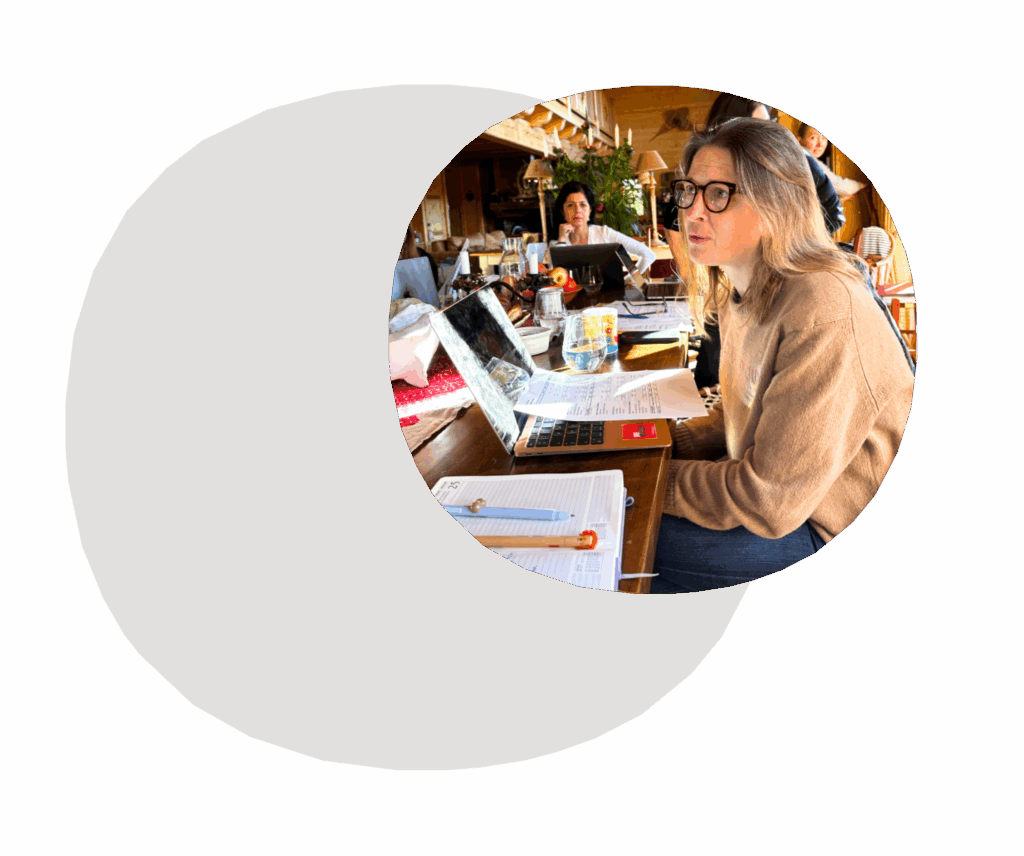
On December 4th, Giving Women held a panel conversation that brought together practitioners from the field, a researcher, and an expert moderator to demonstrate how teaching digital skills can provide job opportunities for Africa's "Youthquake." Our panelists shared the successes and opportunities they have observed among the youth they have trained. They also acknowledged the challenges faced by young women, as described by Funda, in navigating this new work ecosystem.

While the ability to work from home and on one's own schedule was highlighted as a significant advantage for women balancing household and childcare responsibilities, the workload often proved to be unmanageable. This put them at an unfair disadvantage when seeking work on digital platforms. Similarly, when working directly with companies, the flexibility to work from home was often lacking.

The two practitioners who represented hybrid organisations—combining a not-for-profit arm with a company that provides job opportunities for their graduates—demonstrated how they are addressing these challenges with a strong awareness of gender issues.

The discussion was fascinating, multi-layered, and rich, beautifully moderated, and certainly left us confident in the abundant opportunities available for youth in Africa.

Click on the button above to hear the conversation with the panelists:
•    Valerie Okumu – Development Officer,  Konexio Africa
•    Dr Funda Ustek Spilda – Senior Lecturer and SE Asia Programmes Lead
     at the Department of Digital Humanities, King’s College London
•    Brizan Were – Co-founder and Managing Director, Lion's Strength

Moderated by:
•    Kirsten Schuettler – Economist

On December 4th, Giving Women held a panel conversation that brought together practitioners from the field, a researcher, and an expert moderator to demonstrate how teaching digital skills can provide job opportunities for Africa's "Youthquake." Our panelists shared the successes and opportunities they have observed among the youth they have trained. They also acknowledged the challenges faced by young women, as described by Funda, in navigating this new work ecosystem.

While the ability to work from home and on one's own schedule was highlighted as a significant advantage for women balancing household and childcare responsibilities, the workload often proved to be unmanageable. This put them at an unfair disadvantage when seeking work on digital platforms. Similarly, when working directly with companies, the flexibility to work from home was often lacking.

The two practitioners who represented hybrid organisations—combining a not-for-profit arm with a company that provides job opportunities for their graduates—demonstrated how they are addressing these challenges with a strong awareness of gender issues.

The discussion was fascinating, multi-layered, and rich, beautifully moderated, and certainly left us confident in the abundant opportunities available for youth in Africa.

Click on the button above to hear the conversation with the panelists:
•    Valerie Okumu – Development Officer,  Konexio Africa
•    Dr Funda Ustek Spilda – Senior Lecturer and SE Asia Programmes Lead
     at the Department of Digital Humanities, King’s College London
•    Brizan Were – Co-founder and Managing Director, Lion's Strength

Moderated by:
•    Kirsten Schuettler – Economist

YouTube Video UExzMnc1RDRUNlQwaEJVbDB2SExoUE96bjRpUUdlVFZ5My40QTA3NTU2RkM1QzlCMzYx

4 December 2025 Panel Conversation: Unlocking Youth Livelihoods Through Digital Skills

Build skills and knowledge for effective philanthropy

Learn, share, and grow through our interactive online workshops designed to strengthen your skills in areas such as governance, fundraising, and strategy.

All our workshops are led by experienced professionals and offer practical tools to help you support women-focused organisations more effectively.

Members enjoy free access to all recordings and materials through our Resource Hub.
Non-members can purchase tickets or join as members to access the full library.

Discover our Project Circles

Our members work alongside grassroots, women-focused organisations through collaboration, co-creation and strategic guidance. We help organisations grow stronger, more resilient, and better equipped to create lasting impact. Members can join a Project Circle and contribute their skills. Organisations can apply to become a Project Circle.

Learn more about how our Project Circles work or discover our Projects below.

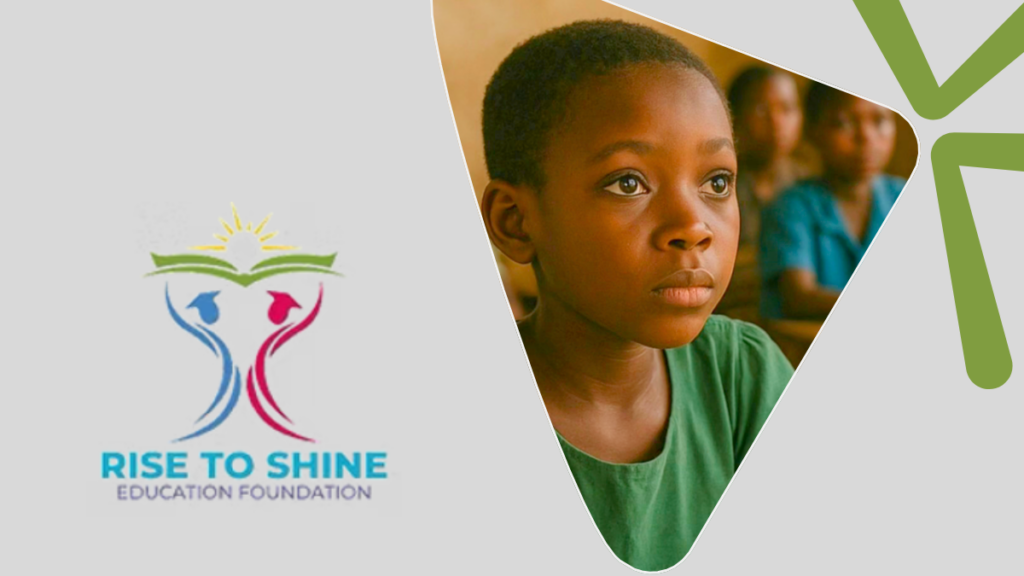
The Rise To Shine Education Foundation (RTSEF)

Headquarters:

Kenya
Ensuring no child is denied education and opportunity due to poverty or harmful practices.
Grown to Help

Headquarters:

Rwanda
Empowering women-led families to build sustainable livelihoods and brighter futures.
Girls First Initiative

Headquarters:

Tanzania
Supporting girls to stay in school through a family-centred approach.