Informed engagement

Upcoming workshops & panels

Upcoming events

Action-oriented engagement

Watch our latest panel conversations

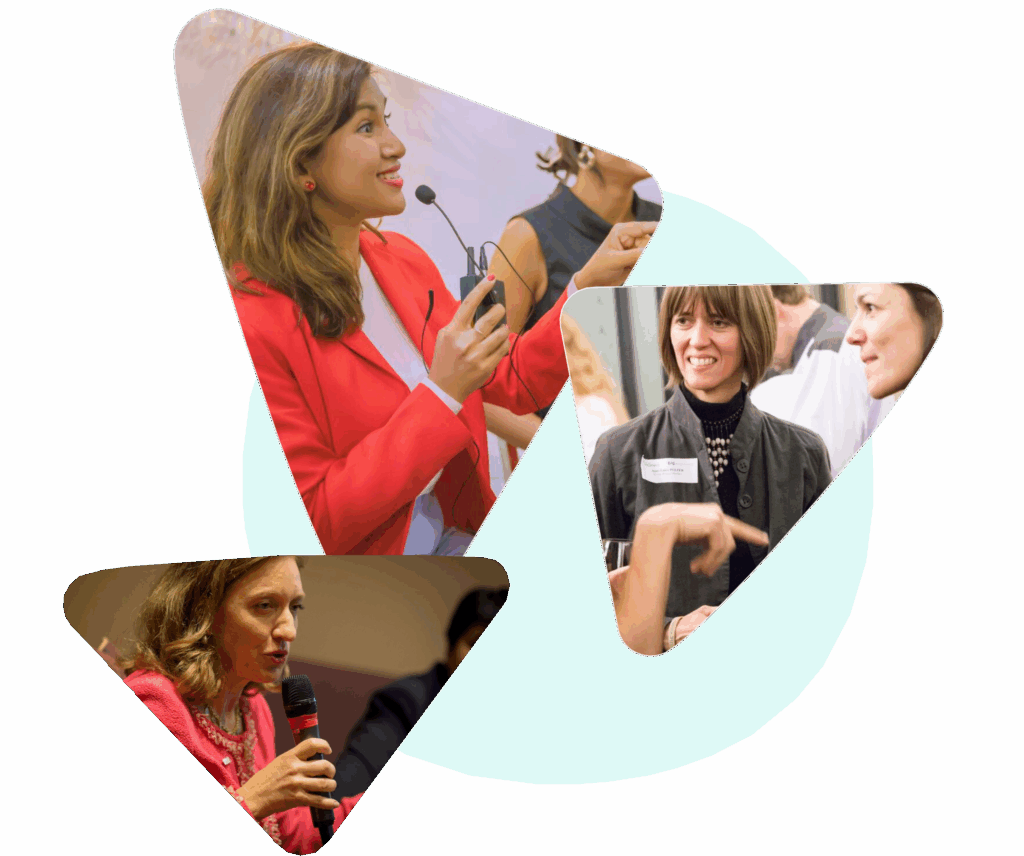
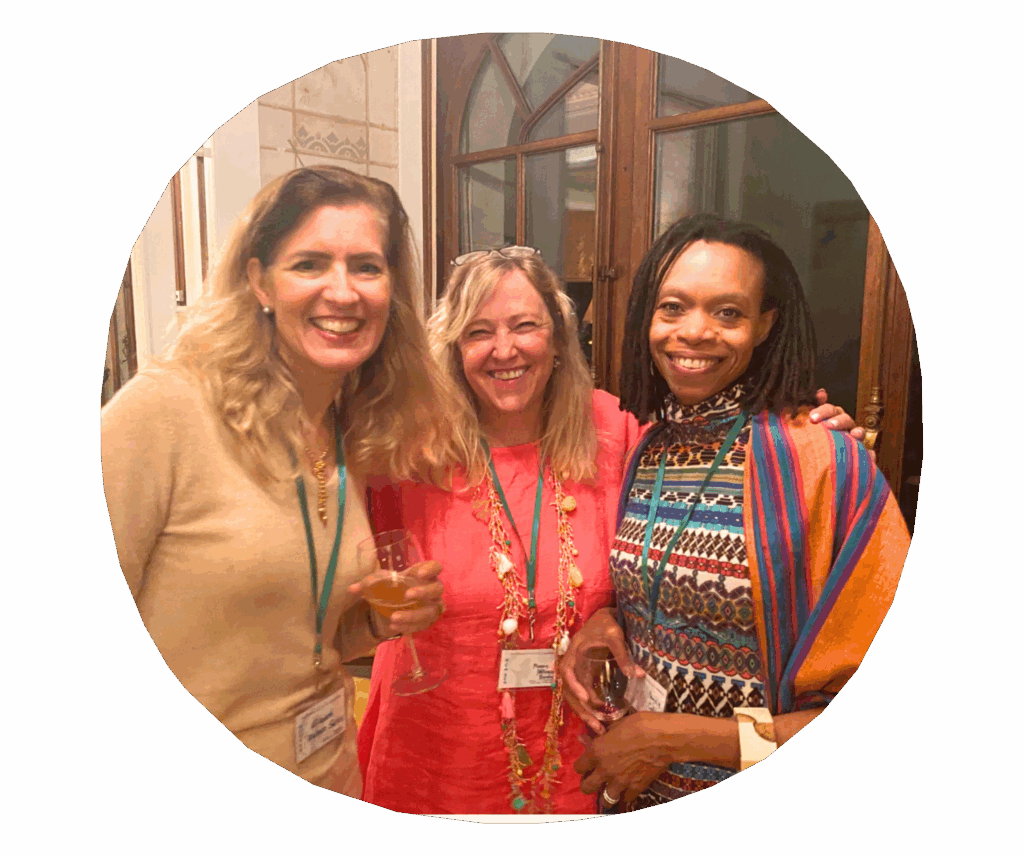
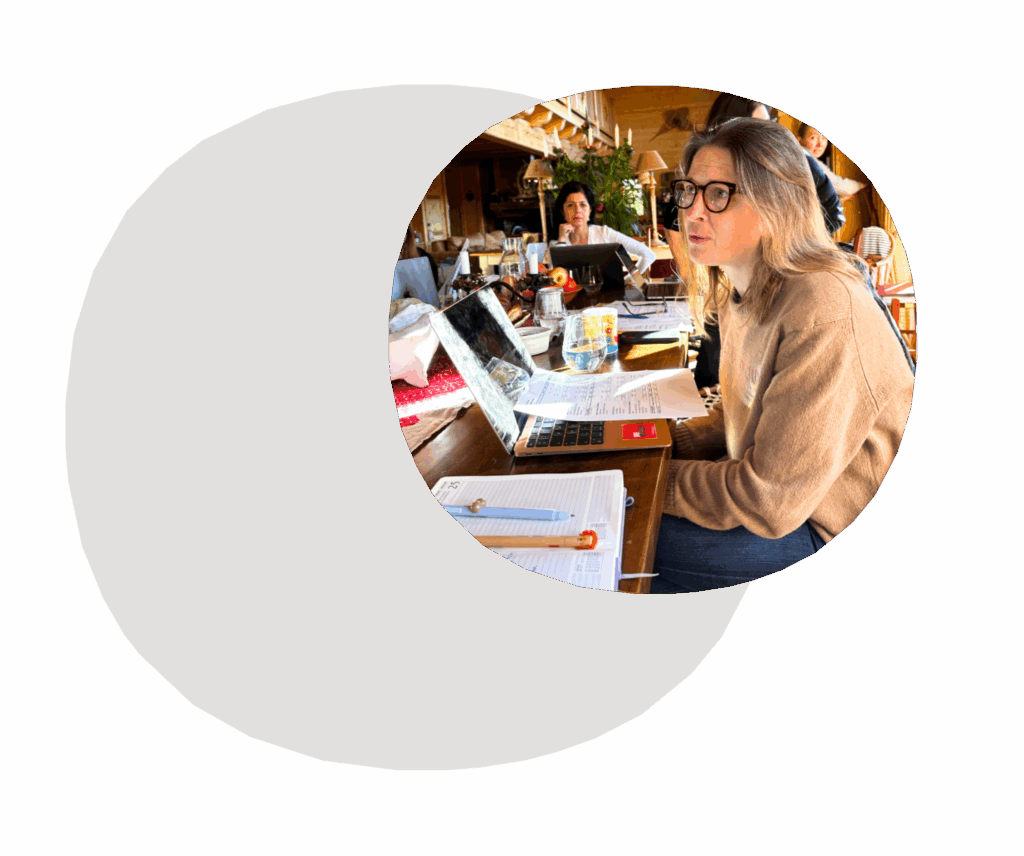
Through our public panels, forums, and storytelling events, we shine a light on the challenges women and girls face and explore solutions with experts, practitioners, and our community. We bring together grassroots leaders, field experts, donors, and Giving Women members to exchange insights, amplify voices from ground and make calls for action.

On December 4th, Giving Women held a panel conversation that brought together practitioners from the field, a researcher, and an expert moderator to demonstrate how teaching digital skills can provide job opportunities for Africa's "Youthquake." Our panelists shared the successes and opportunities they have observed among the youth they have trained. They also acknowledged the challenges faced by young women, as described by Funda, in navigating this new work ecosystem.

While the ability to work from home and on one's own schedule was highlighted as a significant advantage for women balancing household and childcare responsibilities, the workload often proved to be unmanageable. This put them at an unfair disadvantage when seeking work on digital platforms. Similarly, when working directly with companies, the flexibility to work from home was often lacking.

The two practitioners who represented hybrid organisations—combining a not-for-profit arm with a company that provides job opportunities for their graduates—demonstrated how they are addressing these challenges with a strong awareness of gender issues.

The discussion was fascinating, multi-layered, and rich, beautifully moderated, and certainly left us confident in the abundant opportunities available for youth in Africa.

Click on the button above to hear the conversation with the panelists:
•    Valerie Okumu – Development Officer,  Konexio Africa
•    Dr Funda Ustek Spilda – Senior Lecturer and SE Asia Programmes Lead
     at the Department of Digital Humanities, King’s College London
•    Brizan Were – Co-founder and Managing Director, Lion's Strength

Moderated by:
•    Kirsten Schuettler – Economist

On December 4th, Giving Women held a panel conversation that brought together practitioners from the field, a researcher, and an expert moderator to demonstrate how teaching digital skills can provide job opportunities for Africa's "Youthquake." Our panelists shared the successes and opportunities they have observed among the youth they have trained. They also acknowledged the challenges faced by young women, as described by Funda, in navigating this new work ecosystem.

While the ability to work from home and on one's own schedule was highlighted as a significant advantage for women balancing household and childcare responsibilities, the workload often proved to be unmanageable. This put them at an unfair disadvantage when seeking work on digital platforms. Similarly, when working directly with companies, the flexibility to work from home was often lacking.

The two practitioners who represented hybrid organisations—combining a not-for-profit arm with a company that provides job opportunities for their graduates—demonstrated how they are addressing these challenges with a strong awareness of gender issues.

The discussion was fascinating, multi-layered, and rich, beautifully moderated, and certainly left us confident in the abundant opportunities available for youth in Africa.

Click on the button above to hear the conversation with the panelists:
•    Valerie Okumu – Development Officer,  Konexio Africa
•    Dr Funda Ustek Spilda – Senior Lecturer and SE Asia Programmes Lead
     at the Department of Digital Humanities, King’s College London
•    Brizan Were – Co-founder and Managing Director, Lion's Strength

Moderated by:
•    Kirsten Schuettler – Economist

YouTube Video UExzMnc1RDRUNlQwaEJVbDB2SExoUE96bjRpUUdlVFZ5My40QTA3NTU2RkM1QzlCMzYx

4 December 2025 Panel Conversation: Unlocking Youth Livelihoods Through Digital Skills

On Thursday, 30 October 2025, Giving Women hosted an online panel conversation on “Gender Based Violence; Identification, Prevention and Healing”. The conversation was honest, clear, authentic and instructive. The urgency of the situation was palpable as was the concern around the lack of funding, as stated in a paper by UN Women ”At risk and underfunded: How funding cuts are threatening efforts to end violence against women and girls”

The panel, expertly moderated by Julie Broome, director of the Issues Affecting Women Programme at Oak Foundation, was made up with women with lived experience, practitioners who work with survivors on the ground and a researcher. We are sograteful for the amazing insights and knowledge they shared with us:

➢ Jane Anyango - Founder of Polycom Girls in Nairobi, Kenya
➢ Trizah Gawka - Program Manager at Be That Girl
➢ Alessandra Guedes - Gender & Development Research Manager at UNICEF Innocenti
➢ Daniela Valdivia - President at Huellas & Futuro NGO
➢ Queentah Wambulwa - CEO at Girls For Africa Mental Health Foundation

Most interesting was how the speakers with very varied entry points to the issue were so aligned on the understanding of the issue and the ways forward.The magic of collaboration and knowledge sharing was actively happening throughout the 90 minutes
Here are some key take aways:
• Social norms normalise GBV 
• Stigma and shaming often prevent survivors of GBV from reporting
• Survivors need safe spaces to report
• To change social norms there has to be buy in by all stake holders
• Adolescent a girls are particularly vulnerable to GBV for a variety of reasons intimate partner violence due to misogyny and toxic masculinity, traditional practices such as early marriage and  FGM
• Police need to be sensitised to Technology-Facilitated Gender-Based Violence (TFGBV) so survivors of TFGBV  can report - legal reforms, technological solutions, and support systems for victims need to be urgently put in place
• Lack of accountability is a barrier to justice for survivors of GBV
• Children in households where they witness domestic violence and are themselves victims of abuse create a cycle of violence 
• Parenting support needed to help mothers and fathers to bring up their children in a calm non violent environment
• Education is essential so that young children learn non violent conflict resolution, gender equality and to end toxic masculinity
• Healing through survivor-centred approaches, including trauma-informed care, online support spaces, and literacy training.

On Thursday, 30 October 2025, Giving Women hosted an online panel conversation on “Gender Based Violence; Identification, Prevention and Healing”. The conversation was honest, clear, authentic and instructive. The urgency of the situation was palpable as was the concern around the lack of funding, as stated in a paper by UN Women ”At risk and underfunded: How funding cuts are threatening efforts to end violence against women and girls”

The panel, expertly moderated by Julie Broome, director of the Issues Affecting Women Programme at Oak Foundation, was made up with women with lived experience, practitioners who work with survivors on the ground and a researcher. We are sograteful for the amazing insights and knowledge they shared with us:

➢ Jane Anyango - Founder of Polycom Girls in Nairobi, Kenya
➢ Trizah Gawka - Program Manager at Be That Girl
➢ Alessandra Guedes - Gender & Development Research Manager at UNICEF Innocenti
➢ Daniela Valdivia - President at Huellas & Futuro NGO
➢ Queentah Wambulwa - CEO at Girls For Africa Mental Health Foundation

Most interesting was how the speakers with very varied entry points to the issue were so aligned on the understanding of the issue and the ways forward.The magic of collaboration and knowledge sharing was actively happening throughout the 90 minutes
Here are some key take aways:
• Social norms normalise GBV 
• Stigma and shaming often prevent survivors of GBV from reporting
• Survivors need safe spaces to report
• To change social norms there has to be buy in by all stake holders
• Adolescent a girls are particularly vulnerable to GBV for a variety of reasons intimate partner violence due to misogyny and toxic masculinity, traditional practices such as early marriage and  FGM
• Police need to be sensitised to Technology-Facilitated Gender-Based Violence (TFGBV) so survivors of TFGBV  can report - legal reforms, technological solutions, and support systems for victims need to be urgently put in place
• Lack of accountability is a barrier to justice for survivors of GBV
• Children in households where they witness domestic violence and are themselves victims of abuse create a cycle of violence 
• Parenting support needed to help mothers and fathers to bring up their children in a calm non violent environment
• Education is essential so that young children learn non violent conflict resolution, gender equality and to end toxic masculinity
• Healing through survivor-centred approaches, including trauma-informed care, online support spaces, and literacy training.

YouTube Video UExzMnc1RDRUNlQwaEJVbDB2SExoUE96bjRpUUdlVFZ5My45RjNFMDhGQ0Q2RkFCQTc1

30 October 2025 Panel Conversation: Gender Based Violence (GBV): Prevention, Identification, Healing

On the 10th April, Giving Women hosted the second panel to address the impact and opportunities arising from the recent funding cuts, including the shutdown of USAID and global reductions in development aid, with a particular focus on the effects on the livelihoods of women in the most underserved communities. With brilliant moderation from Khani Bonnet, a diverse team of panelists explored how we can shift dependency away from foreign aid and work towards a world where solutions are found within communities and countries themselves.

With voices from the frontline of the crisis, we explored the implications of these cuts on livelihood creation and discussed what measures are in place and need to be implemented to mitigate the impact and ensure strong, positive outcomes. 

Key take-aways:

➤ We need to make national governments take responsibility and end the cycle of dependency. - Danny Gotto, I4Dev, Uganda

➤ Development projects need to find way to be financially sustainable and move away from philanthropic giving. - Prapti Bahsin, Aavishkaar, India

➤ Compassion needs to inform decisions for a better world. - Yasmina Zaidan, Acumen
 
➤ Training and and knowledge transfer is not enough to make and enterprise work. Access to investment is essential. - Pauline Koelbl, ShEquity

➤ We need to recognise the economic potential of working with the 50% of the population which is often excluded. - Mary Ellen Iskenderian, Women’s World Banking

➤ We need to leverage the 100billion USD of remittances to Africa which far outnumbers the Official Development Assistance (ODA) of 42billion USD. - Khani Bonnet, Bitesize Capital

(Unfortunately, 3 of our speakers had connectivity issues and had to leave their cameras off at times)

Timestamps:

0:00:00 Welcome by Founder, Atalanti Moquette 
 
0:01:01 Introduction, Elianna Moquette

0:04:10 Panel topic background by Panel Moderator, Khani Bonnet

0:07:06 Question to Danny Gotto:  “Describe how you and your organization have historically worked with USAID and or other aid agencies. What, in your view, worked well? What could have been more effective or added value? What are the implications for livelihoods?”

0:20:32 Question to Prapti Bhasin: “Why have you chosen to center STEM learning and teacher education as a means for community development? Describe how your service model, with emphasis on how it has allowed for programmatic autonomy and the sustainability of their work.” 

0:30:22 Question to Yasmina Zaidan: “Explain the importance of both workforce development and the role it plays in local ecosystems, and how these things may also contribute to livelihoods. How can we better use private and patient capital to catalyze social entrepreneurs locally? What would you say has been the greatest impact of your work to equip leaders to be change agents in their communities?”

0:40:51 Question to Pauline Koelbl: “Describe specifically how you’re closing gaps in access to capital. What tools, policies, and investment mechanisms have helped to de-risk deals in the African context? And what opportunities or barriers persist to venture exits? What role do diasporic communities play in catalyzing some of these investments?” 

0:52:44 Question to Mary Eleen Iskenderian: “What is the business case for financial inclusion? Why should the unbanked and micro-entrepreneurs formally participate in the financial sector? What considerations should go into the design of financial products and services for low-income women, as well as their impact?” 

1:05:20 Khani Bonnet to all panelists: “How can new actors tap into that you’re doing? What forums should we create? How should we connect so that we’re not letting this crisis go to waste? How can we repivot our skills? How can we leverage our connections and opportunities to reimagine what development looks like? What happens next? How can we put into place the ideas heard on the call?”

1:06:08 Yasmina Zaidan response

1:07:54  Danny Gotto response

1:10:41 Pauline Koelbl response

1:12:47 Atalanti Moquette: a call to action

1:14:51 Closing remarks by Moderator, Khani Bonnet

On the 10th April, Giving Women hosted the second panel to address the impact and opportunities arising from the recent funding cuts, including the shutdown of USAID and global reductions in development aid, with a particular focus on the effects on the livelihoods of women in the most underserved communities. With brilliant moderation from Khani Bonnet, a diverse team of panelists explored how we can shift dependency away from foreign aid and work towards a world where solutions are found within communities and countries themselves.

With voices from the frontline of the crisis, we explored the implications of these cuts on livelihood creation and discussed what measures are in place and need to be implemented to mitigate the impact and ensure strong, positive outcomes.

Key take-aways:

➤ We need to make national governments take responsibility and end the cycle of dependency. - Danny Gotto, I4Dev, Uganda

➤ Development projects need to find way to be financially sustainable and move away from philanthropic giving. - Prapti Bahsin, Aavishkaar, India

➤ Compassion needs to inform decisions for a better world. - Yasmina Zaidan, Acumen

➤ Training and and knowledge transfer is not enough to make and enterprise work. Access to investment is essential. - Pauline Koelbl, ShEquity

➤ We need to recognise the economic potential of working with the 50% of the population which is often excluded. - Mary Ellen Iskenderian, Women’s World Banking

➤ We need to leverage the 100billion USD of remittances to Africa which far outnumbers the Official Development Assistance (ODA) of 42billion USD. - Khani Bonnet, Bitesize Capital

(Unfortunately, 3 of our speakers had connectivity issues and had to leave their cameras off at times)

Timestamps:

0:00:00 Welcome by Founder, Atalanti Moquette

0:01:01 Introduction, Elianna Moquette

0:04:10 Panel topic background by Panel Moderator, Khani Bonnet

0:07:06 Question to Danny Gotto: “Describe how you and your organization have historically worked with USAID and or other aid agencies. What, in your view, worked well? What could have been more effective or added value? What are the implications for livelihoods?”

0:20:32 Question to Prapti Bhasin: “Why have you chosen to center STEM learning and teacher education as a means for community development? Describe how your service model, with emphasis on how it has allowed for programmatic autonomy and the sustainability of their work.”

0:30:22 Question to Yasmina Zaidan: “Explain the importance of both workforce development and the role it plays in local ecosystems, and how these things may also contribute to livelihoods. How can we better use private and patient capital to catalyze social entrepreneurs locally? What would you say has been the greatest impact of your work to equip leaders to be change agents in their communities?”

0:40:51 Question to Pauline Koelbl: “Describe specifically how you’re closing gaps in access to capital. What tools, policies, and investment mechanisms have helped to de-risk deals in the African context? And what opportunities or barriers persist to venture exits? What role do diasporic communities play in catalyzing some of these investments?”

0:52:44 Question to Mary Eleen Iskenderian: “What is the business case for financial inclusion? Why should the unbanked and micro-entrepreneurs formally participate in the financial sector? What considerations should go into the design of financial products and services for low-income women, as well as their impact?”

1:05:20 Khani Bonnet to all panelists: “How can new actors tap into that you’re doing? What forums should we create? How should we connect so that we’re not letting this crisis go to waste? How can we repivot our skills? How can we leverage our connections and opportunities to reimagine what development looks like? What happens next? How can we put into place the ideas heard on the call?”

1:06:08 Yasmina Zaidan response

1:07:54 Danny Gotto response

1:10:41 Pauline Koelbl response

1:12:47 Atalanti Moquette: a call to action

1:14:51 Closing remarks by Moderator, Khani Bonnet

YouTube Video UExzMnc1RDRUNlQwaEJVbDB2SExoUE96bjRpUUdlVFZ5My42MTI4Njc2QjM1RjU1MjlG

10 April 2025 Panel: US Foreign Aid Freeze: Where Do We Go From Here? Part 2 - Livelihoods

Build skills and knowledge for effective philanthropy

Learn, share, and grow through our interactive online workshops designed to strengthen your skills in areas such as governance, fundraising, and strategy.

All our workshops are led by experienced professionals and offer practical tools to help you support women-focused organisations more effectively.

Members enjoy free access to all recordings and materials through our Resource Hub.
Non-members can purchase tickets or join as members to access the full library.

Discover our Project Circles

Our members work alongside grassroots, women-focused organisations through collaboration, co-creation and strategic guidance. We help organisations grow stronger, more resilient, and better equipped to create lasting impact. Members can join a Project Circle and contribute their skills. Organisations can apply to become a Project Circle.

Learn more about how our Project Circles work or discover our Projects below.

Afghan Rayan Educational and Development Organization

Headquarters:

Afghanistan
Promoting equality, prosperity, and literacy for Afghan women through research, education, and development.
Innovations for Development

Headquarters:

Uganda
Promoting health and education of current and future generations of Ugandans through innovation.
Let’s End Fistula Initiative

Headquarters:

Kenya
Providing clinical intervention to women living with Fistula in rural communities in Kenya.